
Living heritage
Maia traditions: wood, linen, onions and a living romaria
Local identity survives through things people still make, grow, carry, celebrate and teach — not through nostalgia alone.
Santeiros da Maia
Sacred sculpture as skilled work
Maia’s image-makers, or santeiros, developed specialist knowledge in carving and painting religious figures. The process moves from a model to the detailed carving of clothes, faces and hands, largely in wood. The Thedim family became especially associated with this craft, linking local workshops to devotional images recognised far beyond the municipality.
Linen and fields
The museum keeps the knowledge inside ordinary objects
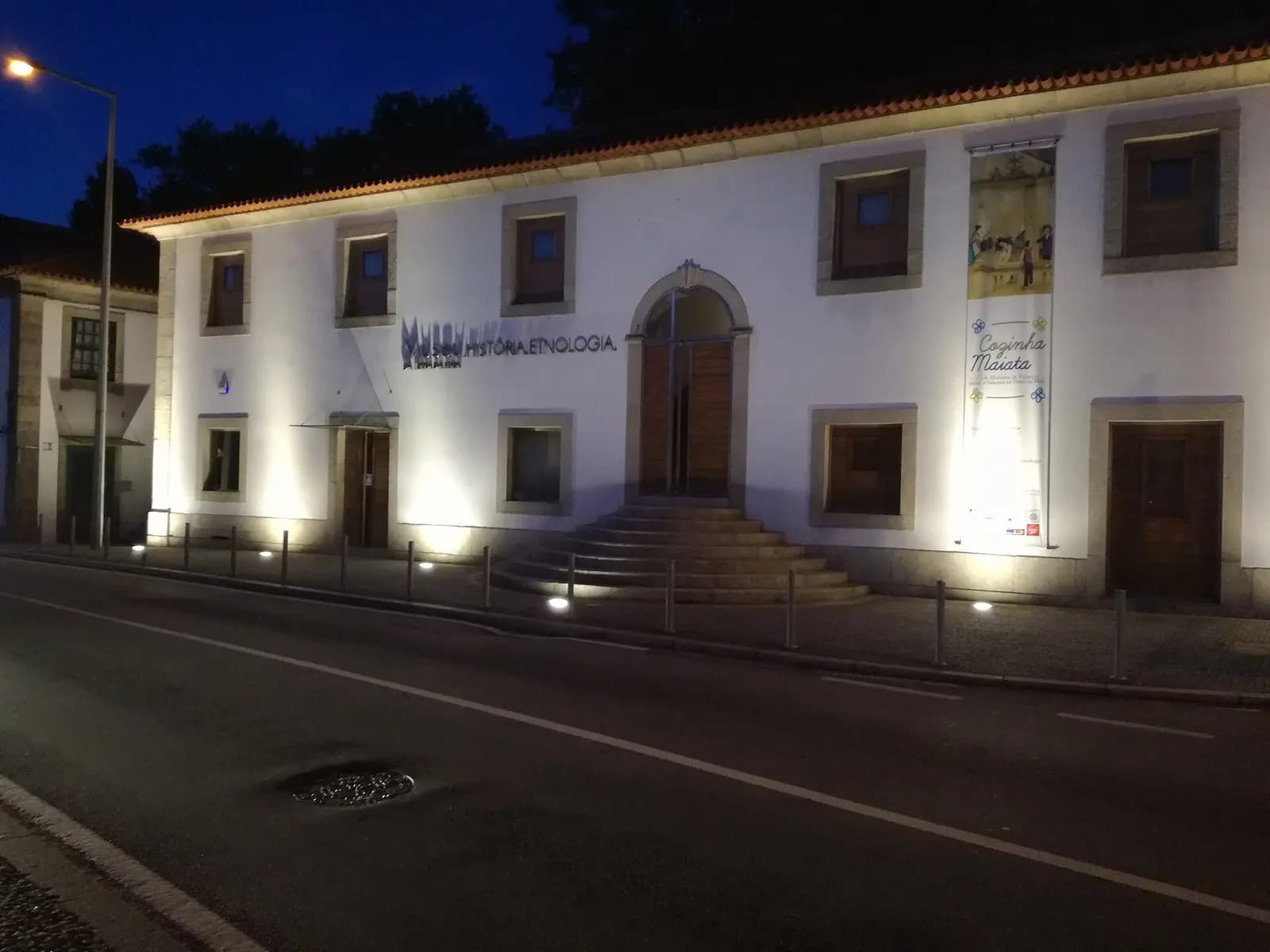
The museum’s Moreira de Figueiredo collection was assembled in Maia during the 1970s and 1980s. Around two hundred objects document rural life, including the cycles of linen and cereals, animal traction, water lifting and occupations that disappeared or changed. It is material history: how work shaped language, seasons and community.
Fairs and romarias
Tradition works because people keep turning up
The pilgrimage of Nossa Senhora do Bom Despacho has documented roots in the eighteenth century and remains central to the July festivities. At the end of August, Santo Ovídio and the Feira das Cebolas reconnect Castêlo da Maia with agricultural exchange: braided onions, regional food, music, processions and local associations turn historical memory into a shared present.
Weekly life
Go on Saturday morning
The weekly Feira da Maia runs every Saturday morning in the city centre. Producers and long-established traders sell seasonal fruit and vegetables, cured meats, pulses, flowers, household textiles and clothing. It is a better introduction to local life than any abstract definition of authenticity.
Buy with context
Markets are living heritage, not stage sets
At Maia’s fairs, the useful things matter: food in season, household goods, flowers, textiles and conversation between regular customers. Visit respectfully, ask before photographing people and choose something made or grown locally when you can.